

The Ole Miss Riot of 1962: James Meredith and the Night Mississippi Went to War
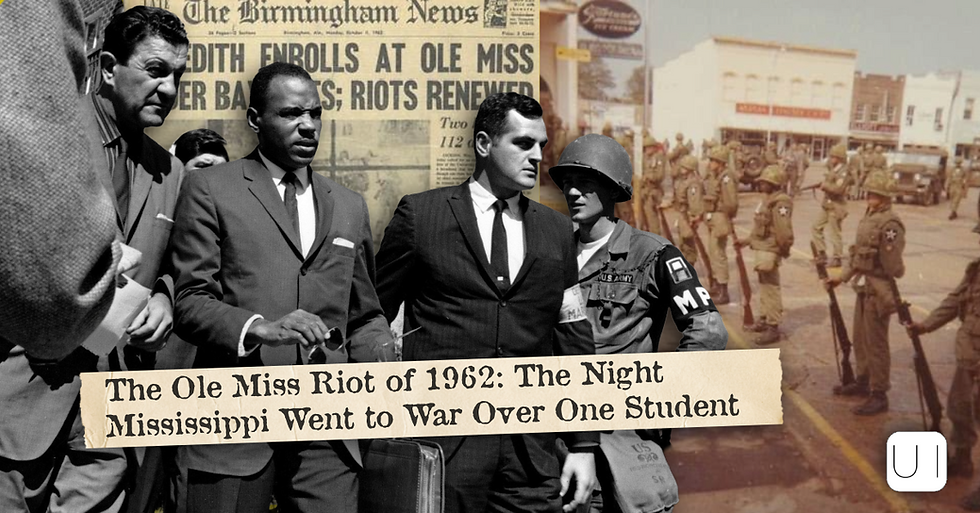
On the night of 30 September 1962, a mob of more than 2,500 people laid siege to a university building in Oxford, Mississippi. They threw bricks and bottles of acid, lobbed Molotov cocktails, fired rifles from the dark and drove a bulldozer and a stolen fire engine at the federal marshals guarding the front steps. The person they were trying to get at was a 29-year-old Air Force veteran called James Meredith, who was sitting in a dormitory a few hundred yards away. All he wanted to do was sign up for classes.
By dawn two men were dead, hundreds were hurt and the US Army was rolling into town. It's sometimes called the Battle of Oxford, and that's not much of an exaggeration. Here's how a single college application turned the integration of Ole Miss into one of the most violent nights of the civil rights era.
Quick Answers
• What happened? A segregationist riot broke out at the University of Mississippi (Ole Miss) on 30 September 1962 as James Meredith arrived to become its first Black student.
• Who died? French journalist Paul Guihard and Ray Gunter, a 23-year-old local jukebox repairman. Neither killing has ever been solved.
• How many were hurt? Around 160 federal marshals were injured and roughly 30 of them were shot. Exact figures vary between sources, and dozens of soldiers and guardsmen were hurt too.
• How did it end? President John F Kennedy sent in the army. Around 30,000 troops, marshals and guardsmen were eventually deployed.
• Did Meredith get in? Yes. He registered the next morning and graduated in August 1963 with a degree in political science.
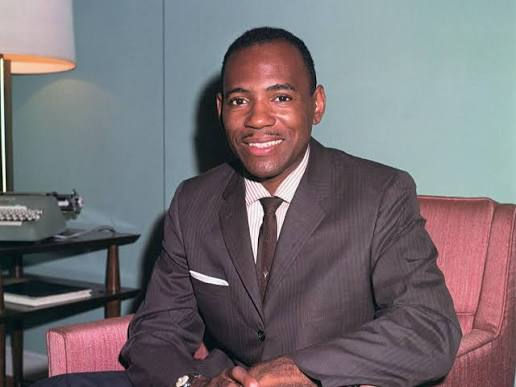
Who Was James Meredith?
Meredith was born on 25 June 1933 in Kosciusko, Mississippi, one of ten children of a farmer called Moses "Cap" Meredith. He joined the US Air Force in 1951 and spent nine years in uniform, serving in the US and Japan, making staff sergeant and picking up university credits in Maryland and Kansas along the way.
Back home he enrolled at Jackson State College, a Black college, but he'd set his sights on the all-white state university in Oxford. He requested an application on 21 January 1961, the day after Kennedy was sworn in as president. The timing wasn't an accident. Meredith openly wanted to push the federal government into a position where it would have to use military force to uphold his rights.
He never liked being called a civil rights activist, either. He later said that "nothing could be more insulting to me than the concept of civil rights," because he saw himself as simply claiming what he was already owed as a citizen.
The Legal Fight
What followed was an 18-month legal fight to desegregate the University of Mississippi. Ole Miss rejected him. At first the registrar claimed his application had arrived too late, then in May 1961 came a formal no. The NAACP's legal team took his case, with Constance Baker Motley leading for Meredith under the direction of Thurgood Marshall, alongside local lawyer R. Jess Brown.
A federal district judge ruled against Meredith in February 1962, but on 25 June 1962, his 29th birthday, the Fifth Circuit Court of Appeals reversed that decision and found he'd been turned away because of his race. Mississippi kept stalling until Supreme Court Justice Hugo Black ordered his admission on 10 September.
Meredith wasn't the first Black Mississippian to try, either. In 1954 Medgar Evers applied to the university's law school as an NAACP test case and was turned down because of his race. By the time Meredith applied, Evers was the NAACP's man in Mississippi and one of the people backing him.
It wasn't the first time a Southern state had tried to stare down Washington over a school. Five years earlier, President Eisenhower had sent paratroopers to escort the Little Rock Nine into Central High School in Arkansas. Mississippi's governor clearly hadn't learned anything from it.
Ross Barnett Digs In
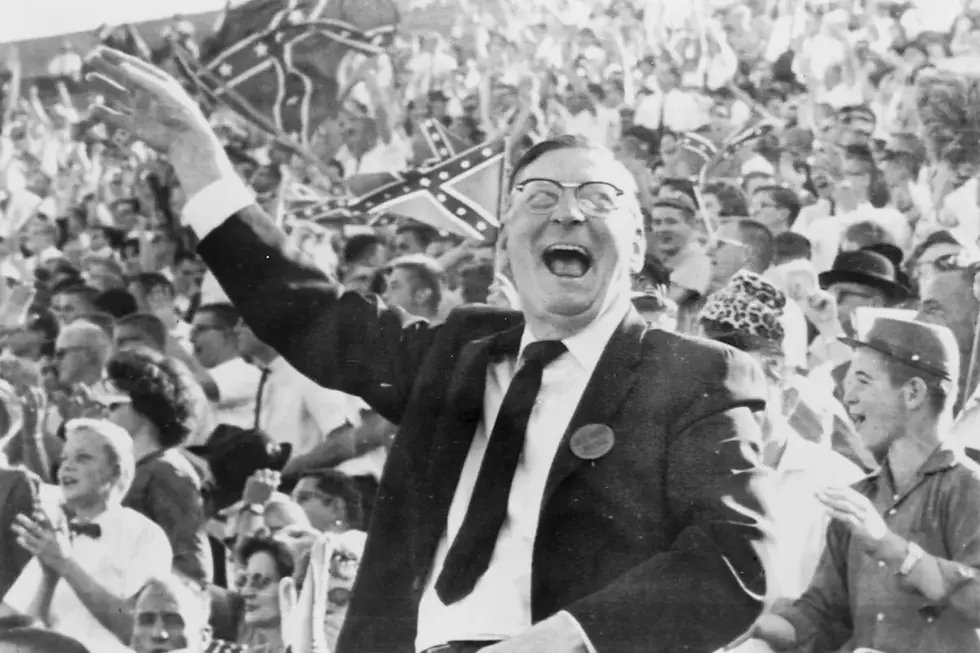
Governor Ross Barnett went on statewide television on 13 September and promised, "We will not surrender to the evil and illegal forces of tyranny." He meant it. On 20 September he personally blocked Meredith from registering in Oxford, and on 25 September he did it again at the state College Board offices in Jackson. His lieutenant governor, Paul Johnson, also physically stood in Meredith's way.
Behind the scenes, though, Barnett was on the phone to the Kennedys, trying to find a way out that wouldn't cost him votes. On 27 September he floated a face-saving plan where the marshals would draw their guns on him, so he could step aside and tell voters he'd been overpowered. The idea collapsed the same day. On 28 September a federal appeals court found Barnett guilty of civil contempt and fined him $10,000 for every day he kept defying the order. Johnson got a $5,000-a-day fine the day after.
"I Love Mississippi": The Football Game That Lit the Fuse
On Saturday 29 September, Ole Miss played Kentucky in Jackson. At half-time Barnett took the microphone in front of a stadium packed with Confederate flags and declared, "I love Mississippi! I love her people, our customs". He didn't need to say anything else. Everyone knew what customs he meant.
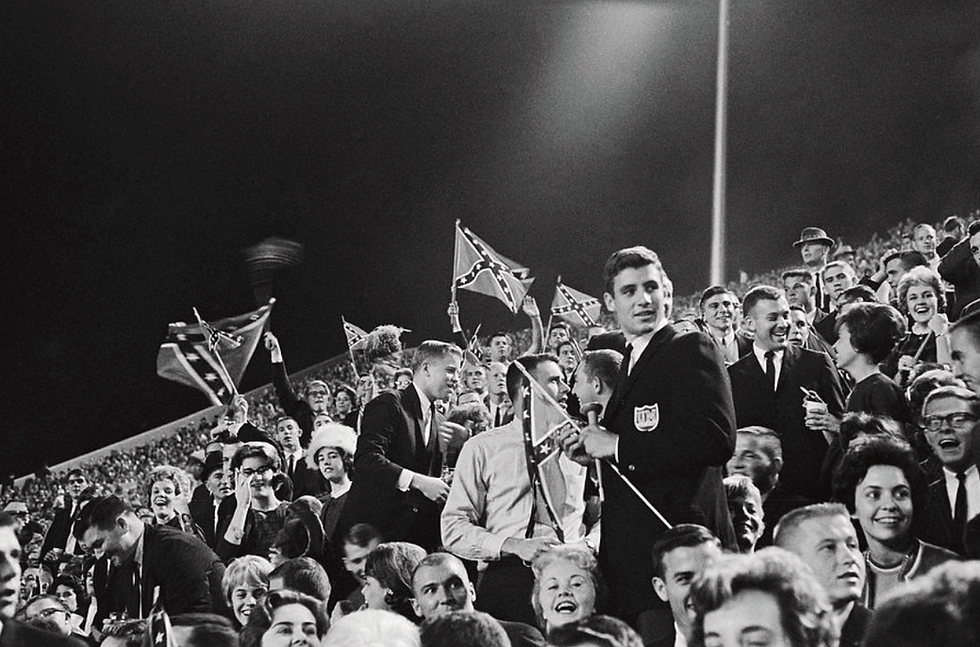
Journalist Curtis Wilkie, then an Ole Miss student, later described the atmosphere as "blood curdling". Many of the people who'd been in that crowd drove straight to Oxford the following day.
Sunday Night in Oxford
On Sunday 30 September Kennedy federalised the Mississippi National Guard, and that afternoon Meredith was flown into Oxford and settled into a room in Baxter Hall. Meanwhile, the federal government had assembled 538 law officers on campus, including 127 deputy US marshals and more than 300 Border Patrol agents sworn in as special deputies.
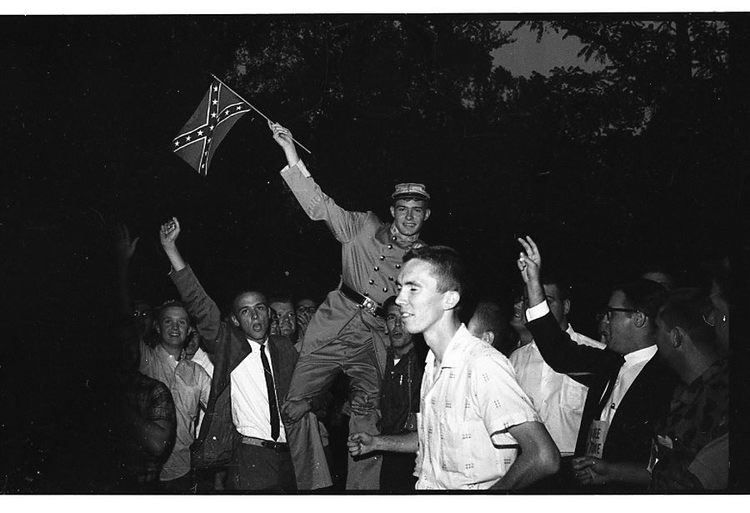
They ringed the Lyceum, the university's columned administration building, and the crowd swelled around them. Around 7pm it turned into a full-scale riot. The marshals had orders not to fire their pistols, so tear gas was pretty much all they had. The mob threw rocks, bricks and lit cigarettes, filled fizzy drink bottles with acid taken from the chemistry labs, set cars on fire and threw Molotov cocktails. At one point rioters tried to ram the Lyceum lines with a bulldozer and a hijacked fire engine. Snipers fired from the darkness.
While all this was going on, Kennedy went on national television to address the crisis. He appealed to Ole Miss's pride in its football team and its war record, and reminded Mississippians that their state had produced four Medal of Honor winners in Korea alone. His most famous line was "Americans are free, in short, to disagree with the law but not to disobey it". The trouble was that the people in Oxford weren't listening.
The Deaths of Paul Guihard and Ray Gunter
Paul Guihard was a 30-year-old reporter from Saint-Malo in Brittany who'd worked for Agence France-Presse since he was 19. Colleagues in the New York bureau called him "Flash" because of his energy, and he'd even had a one-act play, The Deck Chair, staged off-Broadway in 1961. He arrived in Oxford just as the riot was kicking off. A highway patrolman warned him it wasn't safe, and he went in anyway.
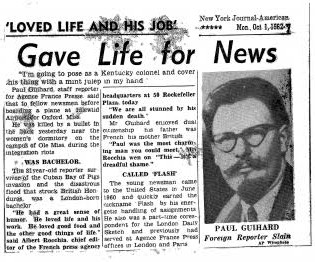
He was found near Ward Dormitory with a bullet through his heart, fired from less than a foot away. That's not a stray round. That's murder. The FBI found no witnesses and no suspects. The case was reopened in 2009 under the Emmett Till Unsolved Civil Rights Crime Act, named after the 14-year-old boy lynched in Mississippi in 1955, then closed again in 2011 without an answer. Guihard remains the only journalist murdered during the civil rights movement.
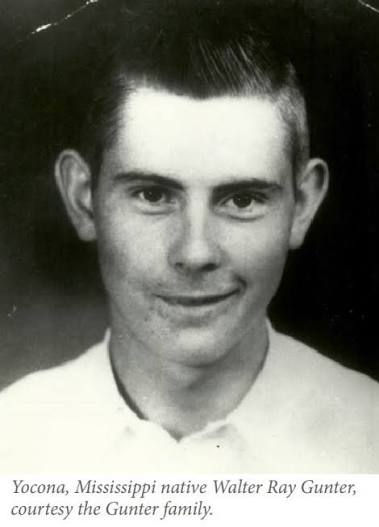
Ray Gunter was 23 and repaired jukeboxes for a living. He'd come up to campus to see what was going on and was standing on a drainage pipe near a half-built science building when a bullet hit him. A state investigator reported that no one had been found who saw the person who fired the shot. His brother John was working with the campus police that night. Asked decades later whether anyone had ever offered sympathy, he said simply, "No, it just sort of went away and died down."
General Walker and the Oswald Connection
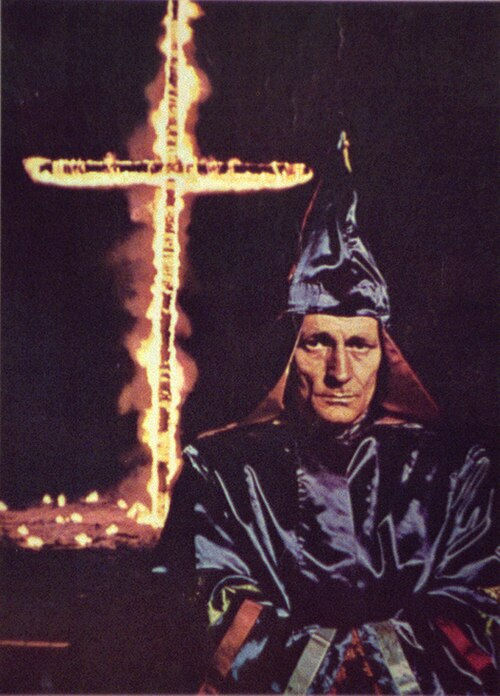
One of the most famous faces in the crowd was Edwin Walker, a former US Army major general. In a twist that's hard to beat, he'd commanded the federal troops sent to protect the Little Rock Nine in 1957. By 1962 he'd quit the army, gone all in on far-right politics and was calling on volunteers to come to Mississippi and resist.
The Kennedys had him arrested and charged with insurrection, and the Justice Department asked for a psychiatric evaluation. He posted a $50,000 bond after five days and a grand jury later refused to indict him. Then, on 10 April 1963, someone fired a rifle through the window of his Dallas home while he sat at his desk doing his tax return. The bullet clipped the window frame and missed. The shooter was Lee Harvey Oswald, seven months before Dallas became famous for something else entirely. If you're into that side of the story, have a look at the 1986 TV trial Oswald never got and the forgotten attempt to kill JFK in 1960.
The Army Arrives
The first soldiers on the scene were Oxford's own National Guard unit, Troop E of the 108th Armored Cavalry, which reached the Lyceum at around 10.10pm. Its commander was Captain Murry Falkner, nephew of the novelist William Faulkner, who'd died just a few months earlier. On the way in, a brick broke Falkner's left arm in three places, and 28 of his men were hurt before they'd even got out of their trucks.
The guardsmen had no tear gas and no ammunition. At about 11pm, when the marshals ran out of gas, Platoon Sergeant Buford Babb ordered his men to fix bayonets. Twenty of them advanced three steps at a time, thrusting their rifles forward and shouting, and the mob backed off. Regular army military police from Fort Bragg arrived before daybreak, and thousands more soldiers followed. More than 200 people were arrested, and plenty of them weren't students at all.
Meredith Registers and Graduates
At around 8am on 1 October, escorted by marshals and Justice Department lawyer John Doar, Meredith walked into the Lyceum and registered. Then he went to class. Bullet marks from that night are still visible on the building's columns.
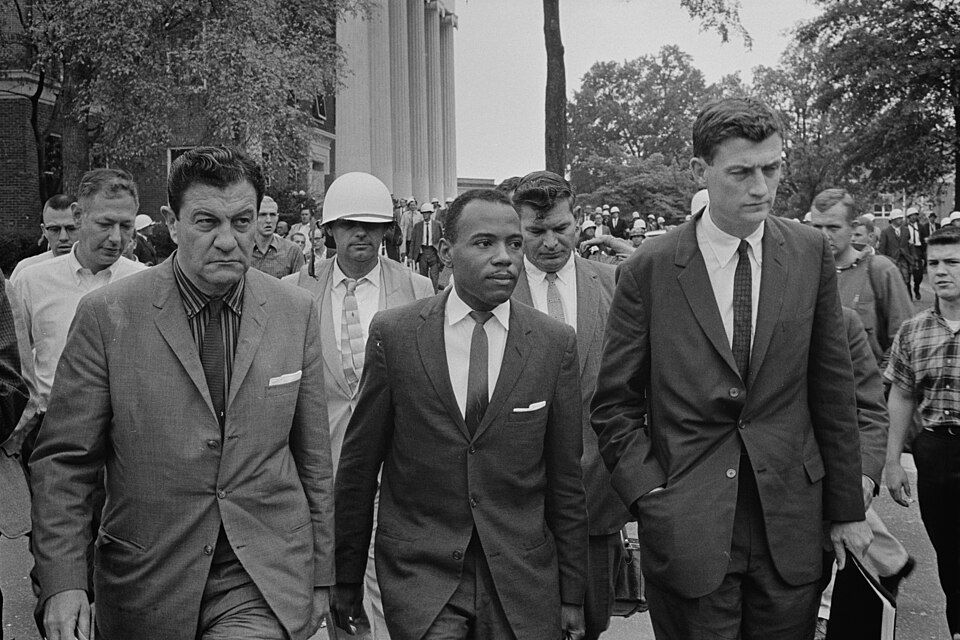
Marshals guarded him around the clock for about a year. Some students refused to sit in lectures with him, and a group calling itself the Rebel Resistance worked with the segregationist Citizens' Council to make sure nobody spoke to him. Meredith called himself "the most segregated Negro in America". Plenty of his classes shrank or emptied as students walked out. He graduated anyway on 18 August 1963, with a political science major and minors in French and history.
Timeline: The Integration of Ole Miss
• 21 January 1961: Meredith requests an application, the day after JFK's inauguration.
• 31 January 1961: He submits it. The university rejects him that spring.
• 3 February 1962: A federal district judge rules against Meredith.
• 25 June 1962: The Fifth Circuit Court of Appeals rules he was rejected because of his race.
• 10 September 1962: Supreme Court Justice Hugo Black orders his admission.
• 13 September 1962: Governor Ross Barnett vows on TV not to surrender.
• 20 and 25 September 1962: Barnett personally blocks Meredith from registering.
• 28 September 1962: Barnett is found in contempt and fined $10,000 a day.
• 29 September 1962: Barnett's "I love Mississippi" speech at the Ole Miss v Kentucky game.
• 30 September 1962: Meredith arrives on campus and the riot breaks out that evening.
• 1 October 1962: Troops restore order and Meredith registers at the Lyceum.
• 18 August 1963: Meredith graduates with a political science degree.
What Happened Next
Mississippi didn't calm down. In June 1963, NAACP field secretary Medgar Evers was murdered on his own driveway in Jackson, and it took three decades to convict his killer. Three months later the Birmingham church bombing killed four girls in Alabama.
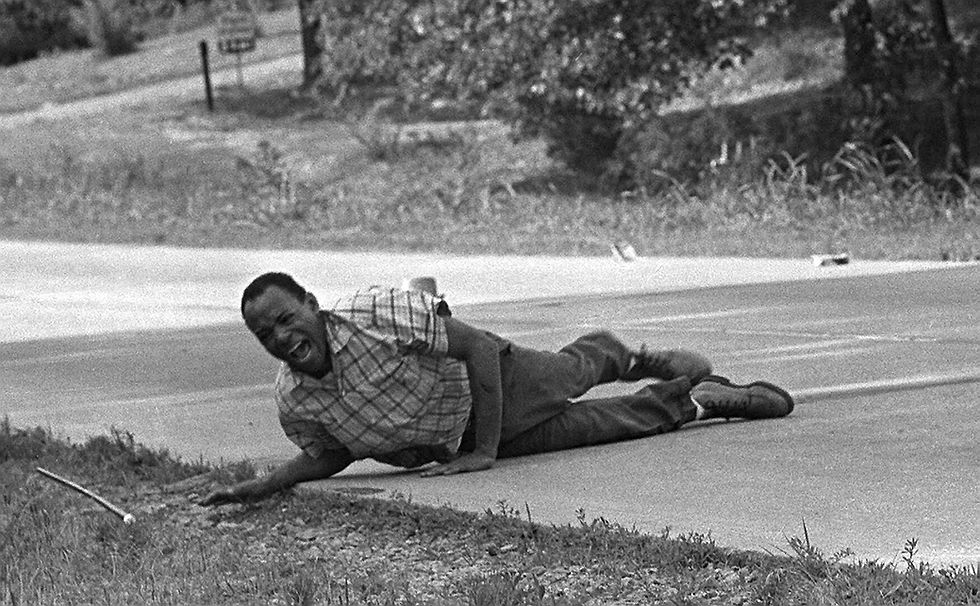
Meredith was shot himself on 7 June 1966, the second day of a solo "March Against Fear" from Memphis to Jackson. He survived, recovered and rejoined the march, which by then had grown to more than 15,000 people, with Martin Luther King Jr walking alongside. He went on to earn a law degree from Columbia in 1968 and, confusing a lot of people, worked for the arch-conservative senator Jesse Helms from 1989.
In 2006 Ole Miss unveiled a statue of Meredith on campus. A few years before that, his son Joseph had graduated from the same university as the top doctoral student in its business school. It's hard to think of a better answer to the people who rioted in 1962.
Common Questions About the Ole Miss Riot
Is James Meredith still alive? Yes, as far as we know. In June 2026, as Mississippi marked 60 years since his March Against Fear, he was 92 and weeks away from his 93rd birthday. He no longer gives interviews and now speaks publicly through his wife, Judy Alsobrooks Meredith.
Why did JFK send troops to Ole Miss? Because Mississippi's governor openly defied federal court orders, and the marshals sent to protect Meredith were being overwhelmed. Kennedy federalised the Mississippi National Guard and sent in regular army units, just as Eisenhower had done at Little Rock in 1957.
What is the Lyceum at Ole Miss? It's the university's main administration building and the oldest building on campus, finished in 1848. The marshals made their stand on its steps, Meredith registered inside it the next morning and it still carries bullet marks from the riot.
Why is it called the Battle of Oxford? Because it looked more like a battle than a riot. Rioters used rifles, firebombs and heavy vehicles, federal officers were shot and the US Army had to be called in to retake a university campus.


