


Défilé by AES+F: The Morgue Bodies Dressed in High Fashion
Updated: 5d

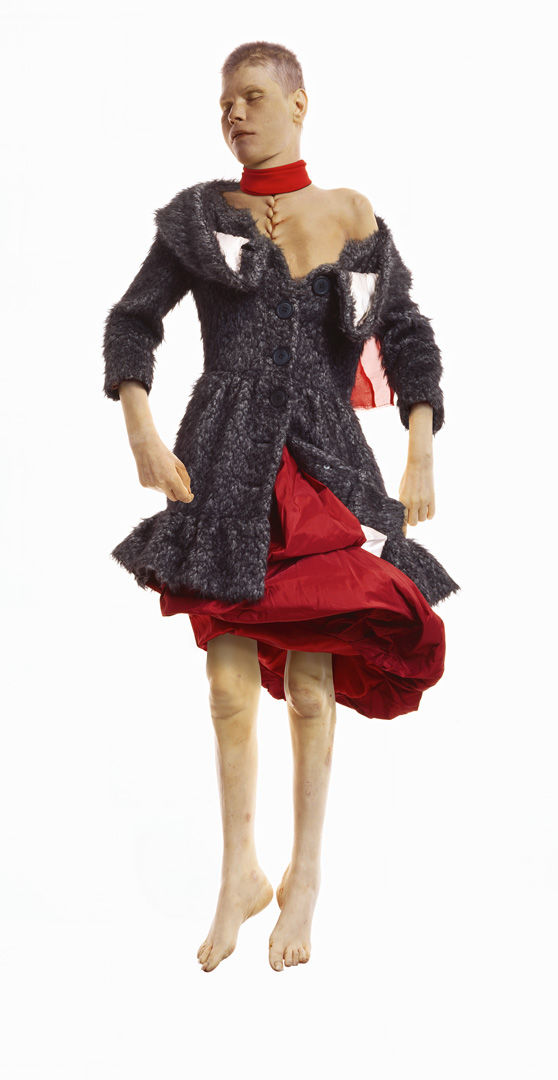
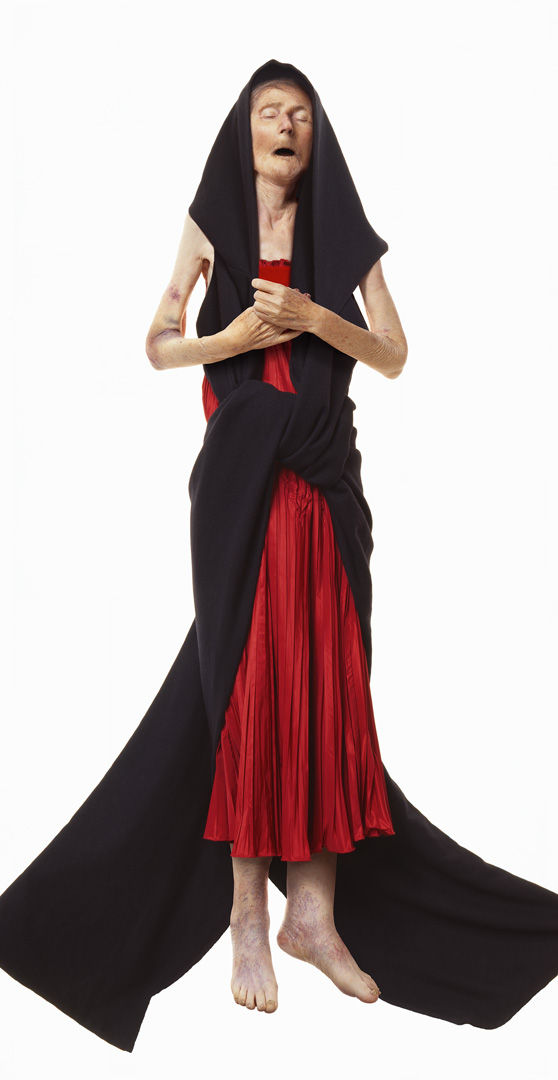
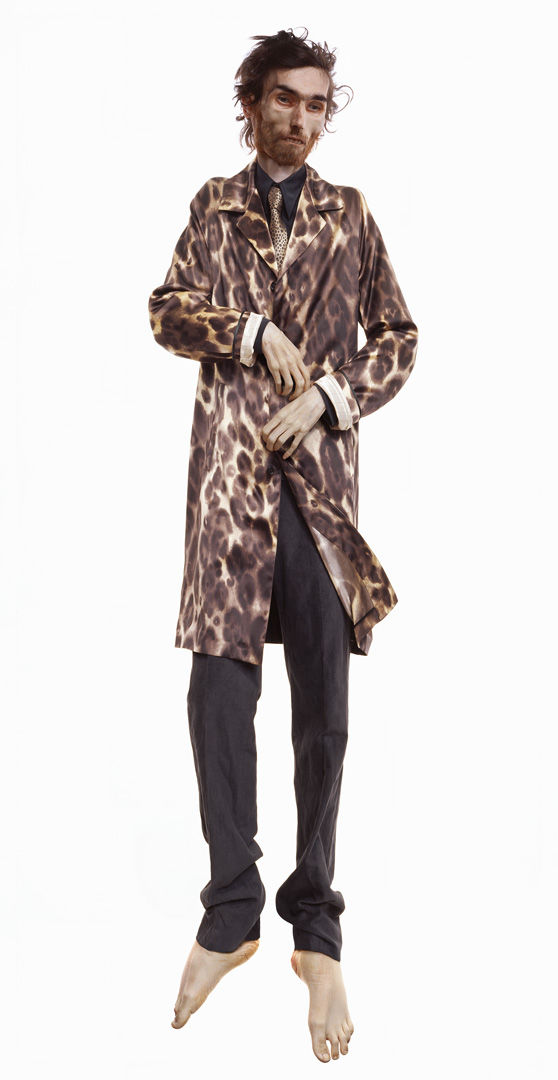
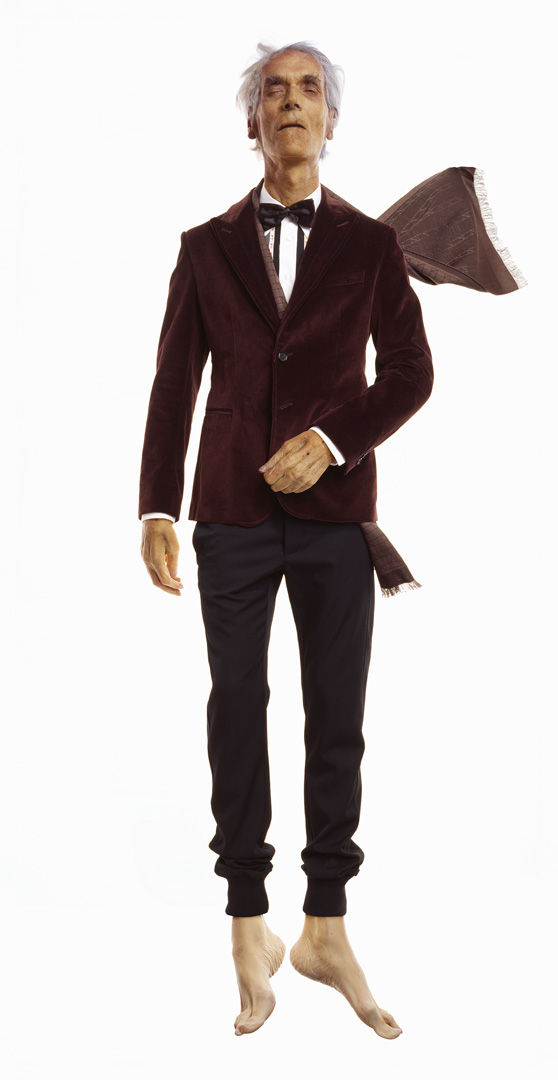
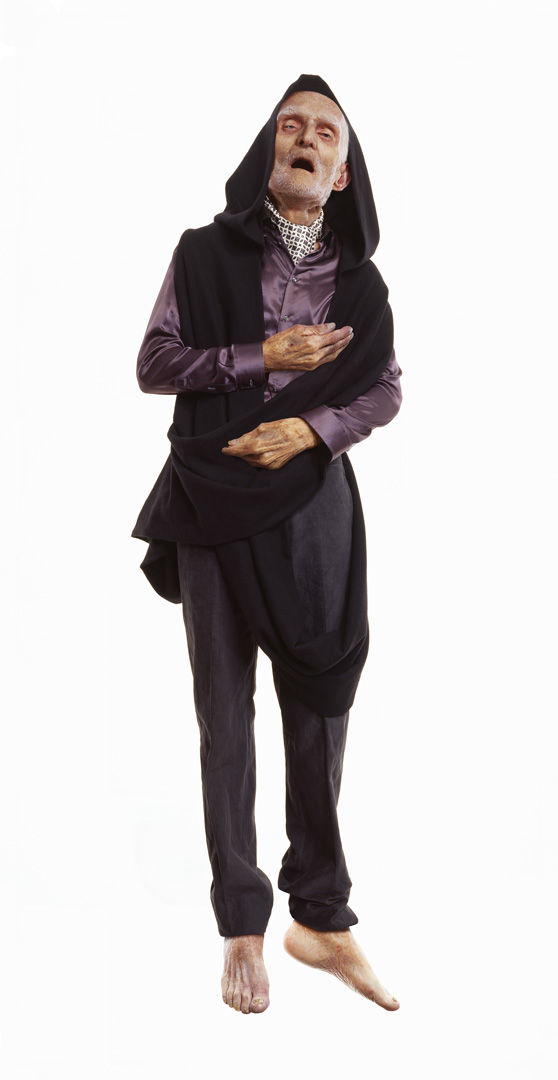
Seven figures hang in tall glowing boxes, each about two metres high. One wears a leopard-print coat. Another’s in a fitted red evening gown. Look a bit longer and you’ll spot the ECG pads still stuck to a chest and the stitches a pathologist left behind. Everyone in Défilé was dead when the picture was taken, and nobody had come to claim them.
The series is the work of AES+F, a four-person Russian art collective, and it’s been unsettling gallery visitors from Houston to Kochi since 2007. Here’s how it was made, where the idea came from and why the artists say it was never meant to shock.
Quick Answers
What is Défilé? A series of seven life-size photographs by the Russian collective AES+F, shown as lightboxes and dated 2000 to 2007.
Are the bodies real? Yes. The artists photographed unclaimed, unidentified bodies in a morgue.
Were the bodies actually dressed? No. The clothes were added digitally afterwards.
What inspired it? An 1824 dialogue by the Italian poet Giacomo Leopardi, in which Fashion tells Death that the two of them are sisters.
Where is it now? MOCAK, the contemporary art museum in Kraków, holds four of the seven lightboxes.
Who Are AES+F?
The group started out as AES in 1987, when the Soviet Union still existed. It was formed by two conceptual architects, Tatiana Arzamasova and Lev Evzovich, with the designer Evgeny Svyatsky, and the name is simply the first letters of their surnames. The “+F” arrived in 1995 with Vladimir Fridkes, a fashion photographer who’d shot for the likes of Vogue.
Fridkes’s day job matters here. At first glance Défilé looks exactly like the glossy magazine work he was paid to produce. It’s only on a second look that it stops being that.
The collective’s international breakthrough came with Last Riot, a three-screen video shown at the Venice Biennale in 2007. Years later Fridkes summed up what the four of them do in five words: “That’s us. We create oxymora.”
How Défilé Was Made
The group gave over an entire summer to researching morgues for the project. The people they ended up photographing were unclaimed bodies from a local morgue, and nothing about them was tidied up. ECG sensors are still attached to chests, bloodied bandages are still wrapped round elbows and mouths hang open.
Reviewers who saw the finished pictures in Houston listed more: IV punctures, bruising and swelling, plus sunken eyes and rough autopsy stitching.
The clothes came separately. A gallery text for the project describes the plan as shooting haute couture on living models, by arrangement with designers, and then fitting the garments to the bodies digitally. So nobody in the morgue was ever physically put into a ballgown.
Each finished image was printed as a transparency and mounted in a lightbox. The four held by MOCAK in Kraków measure roughly 206 by 106 centimetres, which is why the figures read as life-size. Museums date the series 2000 to 2007, while the artists’ own site lists it under 2007, the year it was first exhibited.
The 1824 Dialogue Behind It
The starting point was a short satirical piece that Giacomo Leopardi wrote in 1824, the Dialogue between Fashion and Death. In it, Fashion introduces herself to Death as her sister. Both of them, she says, are children of Caducity, or decay.
She then lists her credentials. She’s the one who persuades people to cripple their feet in tight shoes, squeeze the breath out of themselves with corsets and catch fevers from wearing the wrong clothes for the weather. Her argument is that she’s been doing Death’s work for her all along.
AES+F took that literally. Fashion imagery has always flirted with death through vampires, ghosts and zombies, the artists point out, but from a safe distance. Défilé removes the distance by using the real thing. They also cite the medieval danse macabre and the French writer Georges Bataille, whose idea of “base materialism” they name as an influence.
In the catalogue for the Houston show, the group described the work as pairing the fleeting nature of fashion with the permanence of death.

What the Lightboxes Show
One man wears a purple silk shirt and cravat. A woman is in a flouncy red skirt and fur jacket, her hair roughly cropped. Elsewhere there are white silk gowns, animal-print overcoats and tuxedos. The figures are set against plain white and seem to float, their clothes fluttering as though they’re moving down a catwalk nobody can see.
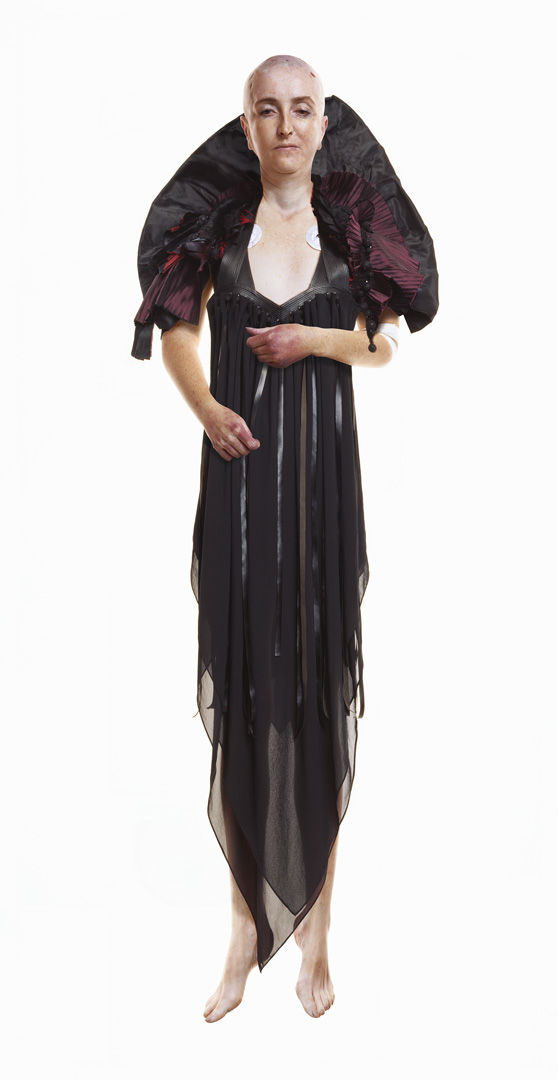
Kelly Klaasmeyer, reviewing the show for Houston Press in January 2008, wrote of the tall vertical lightboxes that “they look like glowing coffins”. She also noticed that the bodies were gaunt, and didn’t look like people who could’ve afforded these clothes while they were alive.
For her, that gave the work a specifically Russian edge. It called to mind Russia’s newly rich, killed in contract shootings while wearing designer labels, and the poor pensioners who died out in the snow.
Shock or Tenderness?
Antonio Geusa, who profiled the group in 2019, wrote that they never thought of the project as provocative. Their own description talks about tenderness towards bodies that no one else was ever going to dress. The gallery text goes further and hopes viewers will find death a bit easier to think about, and see a kind of dignity in what’s been done for these seven people.
There’s a long tradition to lean on. People have been dressing up and displaying their dead for centuries, from plaster death masks to the mummies of Venzone, and occasionally with far less innocent motives, as in the case of Carl Tanzler.
Not everyone read it as kindness. Writing in Glasstire, Virginia Billeaud Anderson saw the pairing of designer clothes and corpses as a mockery of the way we dress the dead for funerals, and found the images shocking and beautiful at once. Like Marina Abramović’s Rhythm 0, it’s a piece where the viewer’s own reaction is a large part of the point.
The images land even harder if you know about Anatoly Moskvin, who dressed the mummified bodies of girls in party frocks and wigs and kept them in his flat.
One fact sits underneath all of it. None of the seven could agree to take part, and none of them is named.
Where Défilé Has Been Shown
Défilé was first shown at the Station Museum of Contemporary Art in Houston, in an AES+F exhibition that opened in December 2007 and ran until 29 February 2008. It was curated by Olga Sviblova, director of Moscow’s Multimedia Art Museum, and also included Last Riot and Suspects, a set of portraits of teenage girls, half of them convicted murderers.
From there it travelled. The artists list it in Russian Dreams…, a Sviblova-curated group show at the Bass Museum of Art in Miami Beach that ran from December 2008 to February 2009, and at the Third Moscow Biennale, held at the Garage Center for Contemporary Art in autumn 2009. That same autumn it had a run at Knoll Galerie in Vienna, from 8 September to 14 November.
In December 2016 the seven lightboxes went to the Kochi-Muziris Biennale in India, which the artists said was the first time their work had been shown in the country. The same month, Défilé went on show at the MAXXI museum in Rome as part of L’arte differente: MOCAK al MAXXI, an exhibition of work from the Kraków museum’s collection that ran until 22 January 2017.
You Might Also Like
Sources
Kelly Klaasmeyer, “Danse Macabre: AES+F”, Houston Press, 23 January 2008
Virginia Billeaud Anderson, “AES+F’s ‘Last Riot’ at the Station”, Glasstire, 12 December 2007
MOCAK Museum of Contemporary Art in Kraków, AES+F collection page
Giacomo Leopardi, “Dialogue between Fashion and Death”, Cabinet magazine, issue 49
Antonio Geusa, “AES+F: the veteran quartet of video art visionaries”, Art Focus Now, 20 July 2019
ANSA, “Mocak’s ‘arte differente’ on display at Maxxi”, 9 December 2016
e-flux, “Russian Dreams… and Pedro Reyes”, Bass Museum of Art announcement
Garage Museum of Contemporary Art, Third Moscow Biennale: Against Exclusion


